

Birling Gap – A Complete Tourist Guide to One of Eastbourne’s Most Breathtaking Spots
If you’re planning a holiday in East Sussex or you’ve already arrived in Eastbourne eager to explore the coast, there’s one destination that stands out above the rest: Birling Gap. This stretch of coastline, carved naturally into the iconic white chalk cliffs, is part of the world-famous Seven Sisters — a landscape so uniquely British that it has become a symbol of the English seaside itself.
Birling Gap sits between Eastbourne and Seaford, managed by the National Trust, and offers something for everyone: dramatic cliff views, peaceful beach walks, rock pools, picturesque sunsets, and some of the best walking trails in the country. It’s a place where nature is both calming and powerful, where the sea crashes against the chalk, and where every visitor leaves with at least one unforgettable memory.
What makes this article different from the countless short travel notes you’ll find online is that it’s written especially for tourists travelling to Eastbourne, with a clear purpose: to help you enjoy Birling Gap safely, comfortably, and without confusion — while also giving you the most practical travel information you won’t find on Google Maps.
Because while Birling Gap is incredibly beautiful, it can also be tricky to reach if you’re not familiar with the area. Public transport is limited, parking fills up quickly in summer, the cliffs can be dangerous in bad weather, and the walking paths — although iconic — require a bit of planning. That’s exactly why this guide goes deeper: we want you to experience the best parts of the coastline with confidence.
Before we begin the full tour, here’s the homepage in case you want quick access to local transport info and bookings: www.726726.co.uk
Let’s explore everything you need to know to get the most out of Birling Gap — from its history and trails to food, hidden gems, and the simplest ways to travel there while visiting Eastbourne.
What Makes Birling Gap So Special?
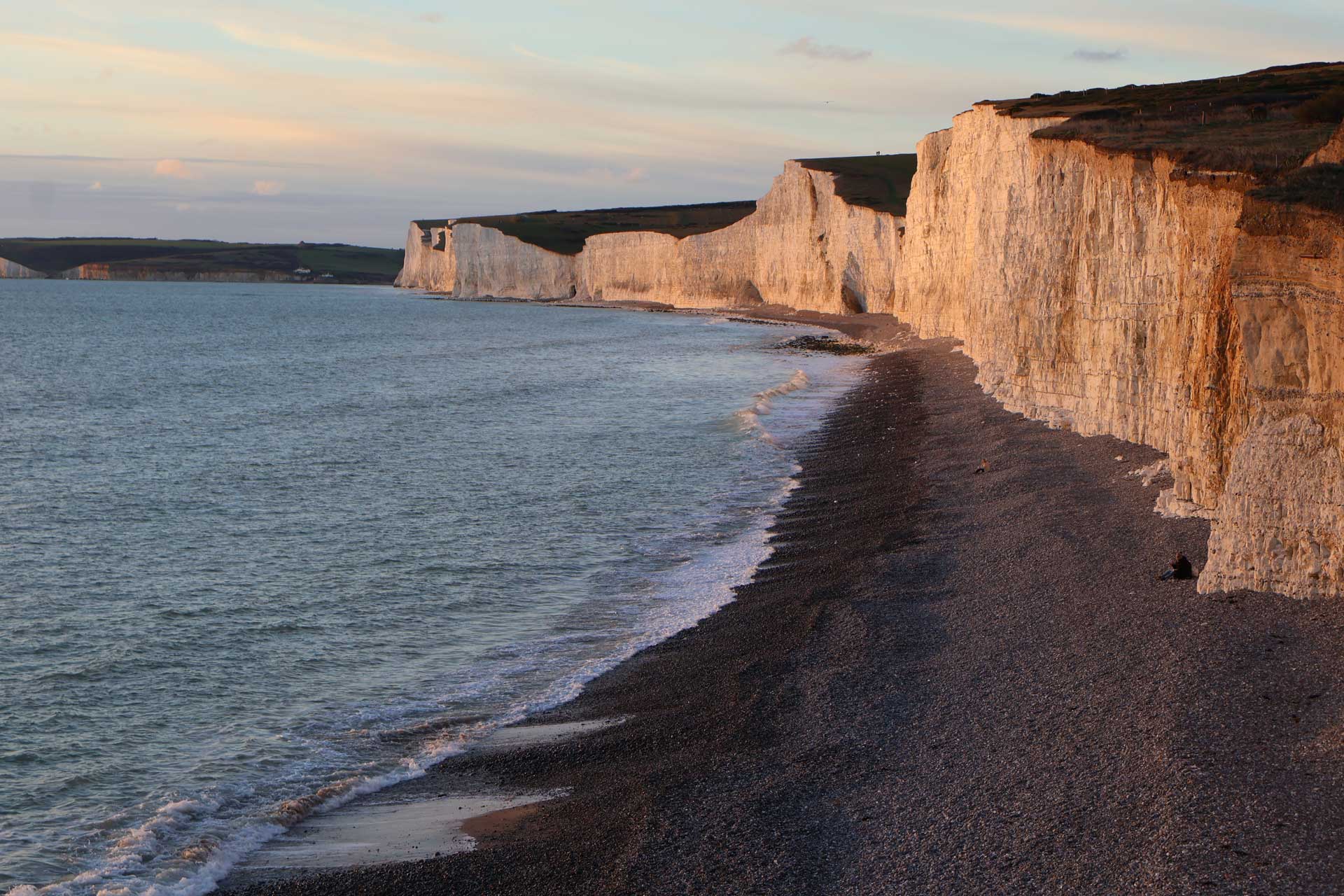
Birling Gap is more than just a scenic stop on the South Coast — it is one of the last remaining unscratched pieces of wild England. Sitting between the chalk giants of the Seven Sisters, the area opens up into panoramic views that feel almost cinematic. The moment you step onto the viewing platform, you immediately understand why this is one of Britain’s top seaside viewpoints.
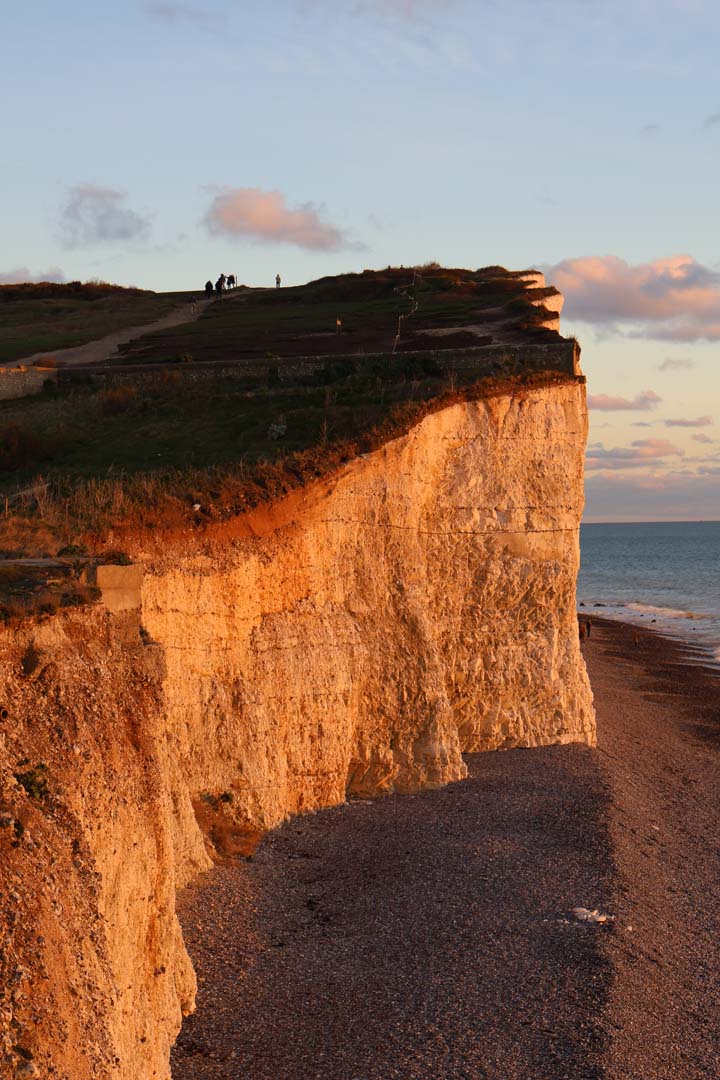
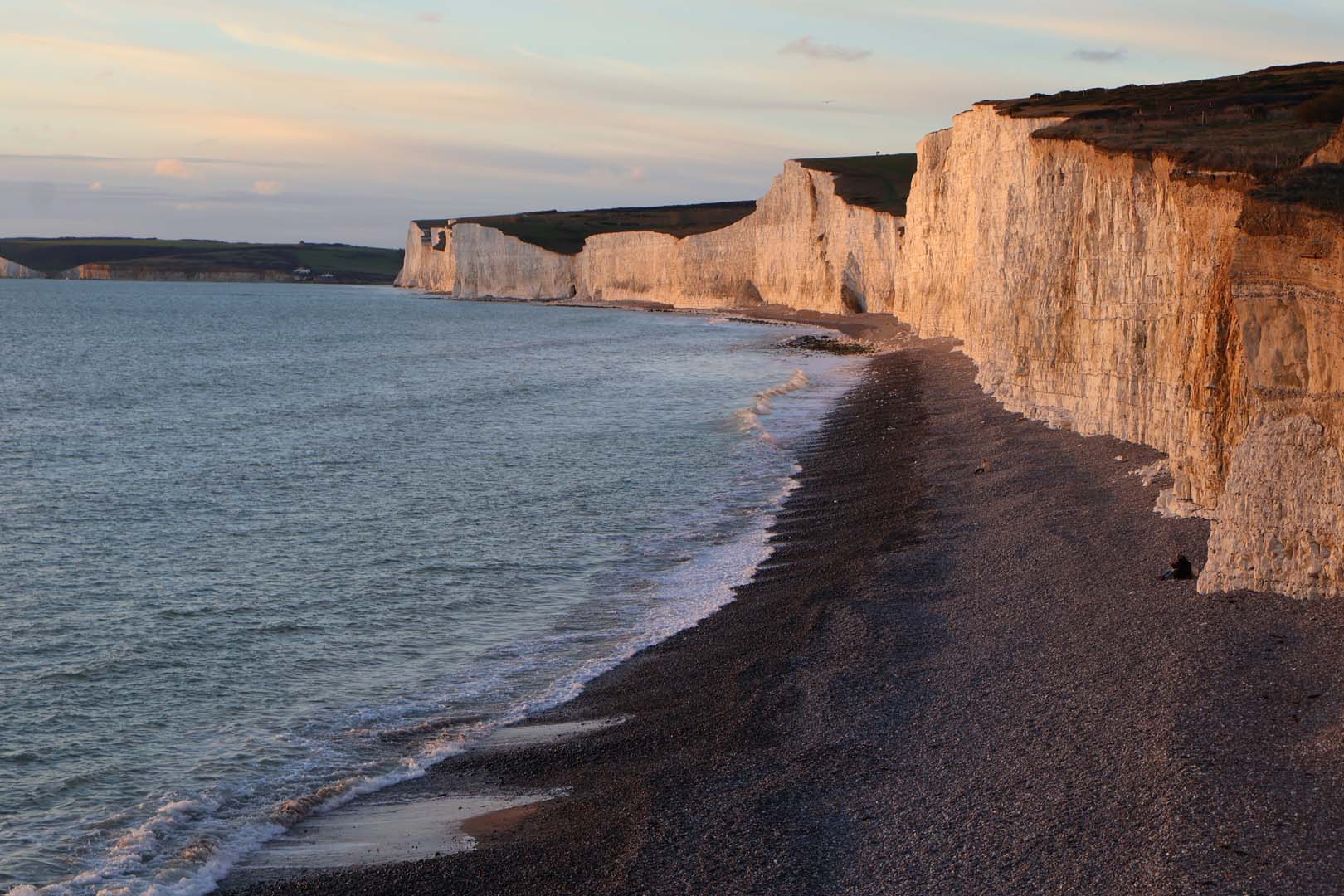
The most defining feature of Birling Gap is, of course, the white chalk cliffs. These cliffs naturally erode over time, creating a dramatic, ever-changing coastline. On some days the sea appears light turquoise, gently brushing the chalk walls. On other days, waves crash fiercely below, reminding you of the powerful forces that shape this region year after year.
The wildlife here is just as captivating. From nesting seabirds to rare coastal plants, Birling Gap is a haven for those who appreciate the quiet beauty of untouched landscapes. Bring binoculars and you might spot kestrels hovering over the cliffs or seabirds diving for their daily catch.
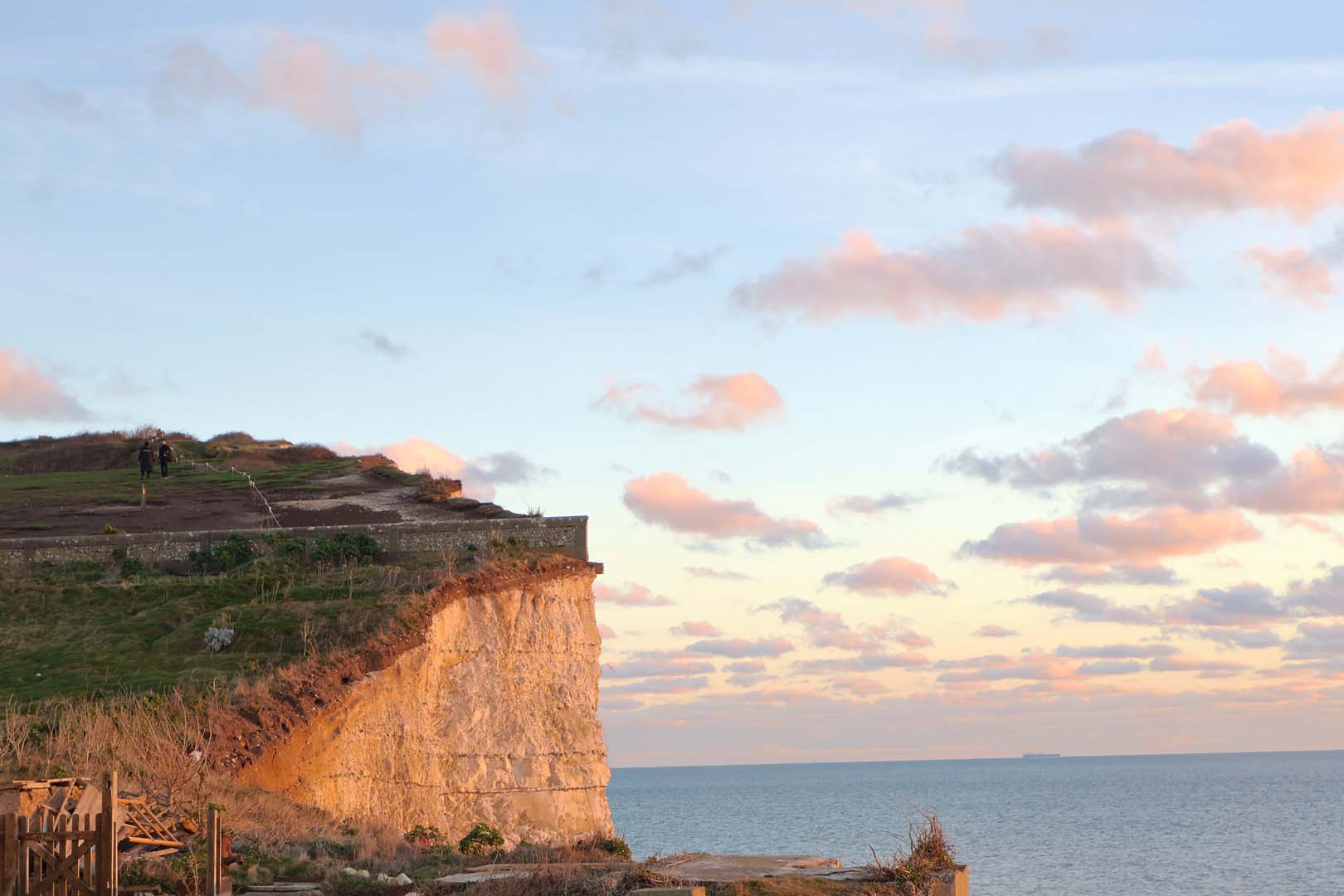
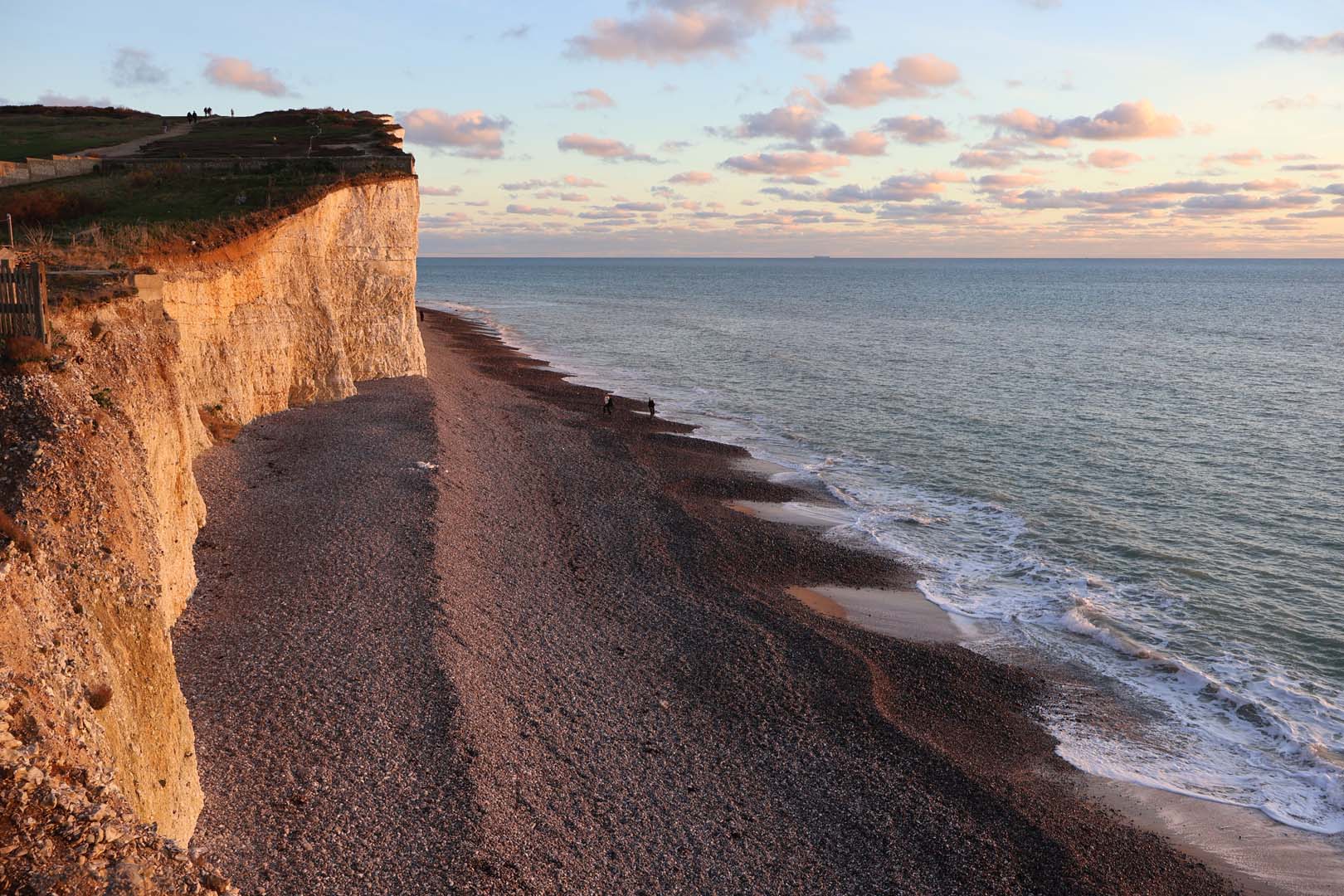
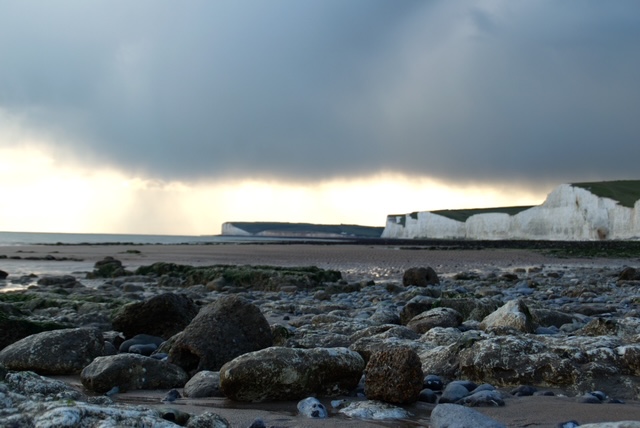
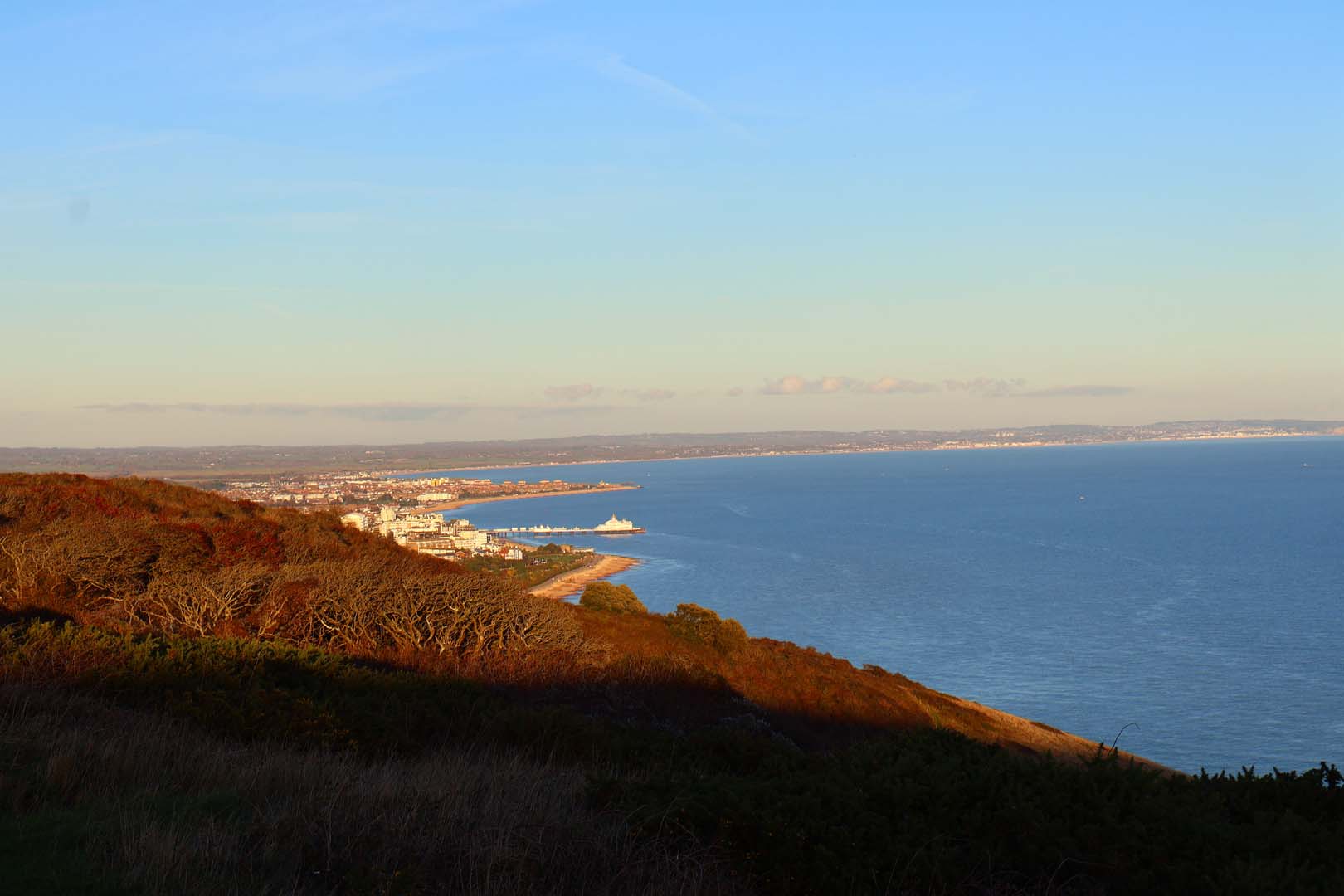
Photographers often describe Birling Gap as one of the most rewarding places to shoot along the south coast. The cliffs reflect the sunlight differently throughout the day — bright and crisp at midday, warm and golden at sunset, moody and dramatic when clouds roll in. Every angle feels like a postcard.
And beyond its physical beauty, Birling Gap carries that unmistakable feeling of stepping into another world — calmer, simpler, and truly timeless.
Things to Do at Birling Gap
Although many tourists visit Birling Gap for the views alone, the area offers far more than a quick photo stop. Whether you’re a relaxed traveller, a family with children, or someone who loves hiking, here’s what you can enjoy:
Walking the Seven Sisters Trails
The walking routes from Birling Gap are some of the most iconic in the country. You can head west towards the full Seven Sisters — a series of chalk peaks and valleys that make for breathtaking hiking photos — or east towards Beachy Head, one of the highest chalk cliffs in Britain.
These trails range from easy to moderately challenging, depending on your pace and fitness level. Families often enjoy shorter walks between the viewpoints, while more adventurous travellers complete the full coastal route.
Exploring the Beach at Low Tide
During low tide, you can access the shingle beach. Rock pools appear along the shoreline, making it an exciting exploration spot for kids and adults. You might find tiny crabs, small fish, sea anemones, and interesting shells.
Do note that the tides change quickly — always check tide times before heading down.
Photography and Landscape Watching
The combination of cliffs, sky, and sea creates an endlessly changing canvas. Sunrise here feels calm and peaceful, while sunset lights the cliffs on fire with gold and orange tones.
Simply Enjoying the Peace
Birling Gap offers something increasingly rare: true quiet. The sound of waves, birds, and wind over the cliffs provides a moment of calm that most visitors deeply appreciate.
From energising walks to relaxing cliff-top moments, Birling Gap is a must-see for any traveller in Eastbourne.
How to Get to Birling Gap – Complete Transport Guide
This is the part every tourist needs — because getting to Birling Gap is not as straightforward as it appears on the map. The coastline is rural, bus services are limited, parking is competitive, and the walking routes can be long if you’re not familiar with the hills.
Here is the most complete and honest transport guide you’ll find anywhere online.
Distance from Eastbourne & Travel Time
Birling Gap is located just a few miles west of Eastbourne. The distance depends on where you start, but here’s a simple rule:
- From Eastbourne Town Centre → approx. 10–12 minutes by car
- From Eastbourne Pier → 12–15 minutes by car
- From Eastbourne Train Station → 12–14 minutes
- From Beachy Head → 5 minutes
Walking, however, is a different story. While the distance may look short, the coastal paths involve steep climbs and descents, which can significantly increase the time and difficulty. A walk from Eastbourne to Birling Gap can take anywhere from 1.5 to 3 hours, depending on fitness and weather.
A Google Maps “walking time” estimate doesn’t always reflect real terrain — cliffs and chalk paths can be slippery, especially after rain.
Google Maps – Described View:
If you search “Birling Gap” on Google Maps, you’ll see it marked right in the middle of the Seven Sisters stretch. The map shows a road (Birling Gap Road) leading directly to a National Trust car park and café area. Surrounding it is nothing but cliff edges, grassland, and sea — which tells you everything: this is a remote, natural location, not an urban area with lots of transport options.
Getting to Birling Gap by Bus – Pros, Cons & Realistic Expectations
Yes, there is a bus route.
No, it’s not ideal for most tourists.
The 12/12A/12X buses operated by Brighton & Hove offer access to Birling Gap, but with limitations:
Pros:
- Cheapest travel option
- Scenic coastal route
- “Green” choice for eco-conscious travellers
Cons:
- Services are infrequent, especially outside summer
- Buses can be very full in peak season
- They may stop running early in the evening
- Weather dependency — waiting on a windy cliff for a bus is not pleasant
- Not ideal for families with pushchairs, elderly travellers, or those with mobility issues
- Delays are common on summer weekends
If you rely entirely on the bus, check the timetable carefully — missing it means long waits, long walks, or expensive last-minute arrangements.
Walking or Cycling to Birling Gap
For active travellers, the walk from Eastbourne to Birling Gap is one of the most spectacular on the coast. But it’s not a casual stroll.
Walking challenges include:
- Steep hills
- Exposure to wind
- Sudden weather changes
- Chalk paths that become slippery
- No shade during summer
- No shops or toilets along the path
Cycling is even more demanding due to the climbs, and only recommended for experienced cyclists.
If you’re visiting Eastbourne for a relaxing holiday, walking or cycling to Birling Gap is beautiful — but it requires preparation, water, footwear, and time.
Why Most Tourists Prefer a Taxi
This is where the experience of thousands of visitors becomes relevant. A taxi remains the most practical, comfortable, and time-efficient way to reach Birling Gap.
Why?
- No parking stress — the car park fills up quickly
- No waiting for buses
- Safe in bad weather
- Perfect for families, groups, or elderly travellers
- Drop-off right at the entrance
- Fast return without planning
For most tourists, especially those here for a short stay, taking a taxi simply removes the hassle and lets you enjoy the cliffs immediately.
Sussex Cars 726726 – The Simple, Stress-Free Way to Visit Birling Gap
Sussex Cars (number 726726) is Eastbourne’s most established taxi service, trusted by both locals and visitors. If you're exploring Birling Gap without a car, this is by far the easiest and most comfortable way to travel.
Here’s why thousands of tourists choose Sussex Cars each year:
- 4–8 minute average pickup time in Eastbourne
- Local drivers who know the area’s safest drop-off points
- Reliable service even on windy or rainy days
- Friendly, professional team
- Option to get picked up directly from your hotel or Airbnb
- No need to worry about bus timetables, parking, or long walks
And the best part? You can book instantly using the Sussex Cars app:
👉 Download here: https://onelink.to/sussexcars
If you're planning your Eastbourne holiday, install the app before arriving — saves time, and you’ll have transport ready for all attractions.
When Is the Best Time to Visit Birling Gap?
Birling Gap is beautiful year-round, but each season has its own character.
Spring (March–May):
Mild weather, fewer crowds, bright colours, and ideal walking conditions.
Summer (June–August):
Long days, warm sunlight, perfect for beach visits. But also the busiest time — parking fills early and buses are crowded.
Autumn (September–October):
Golden views, quieter trails, refreshing sea breeze. A favourite for photographers.
Winter (November–February):
Dramatic waves, crisp air, fewer visitors. Walking conditions depend heavily on weather — cliffs may be windy or slippery.
No matter the season, always bring layers. Coastal weather changes fast.
Hidden Gems Around Birling Gap
Make the most of your day by visiting these nearby attractions:
- Belle Tout Lighthouse
- Beachy Head
- Seven Sisters Country Park
- The Tiger Inn (East Dean)
- Friston Forest
Where to Eat, Drink & Relax Nearby
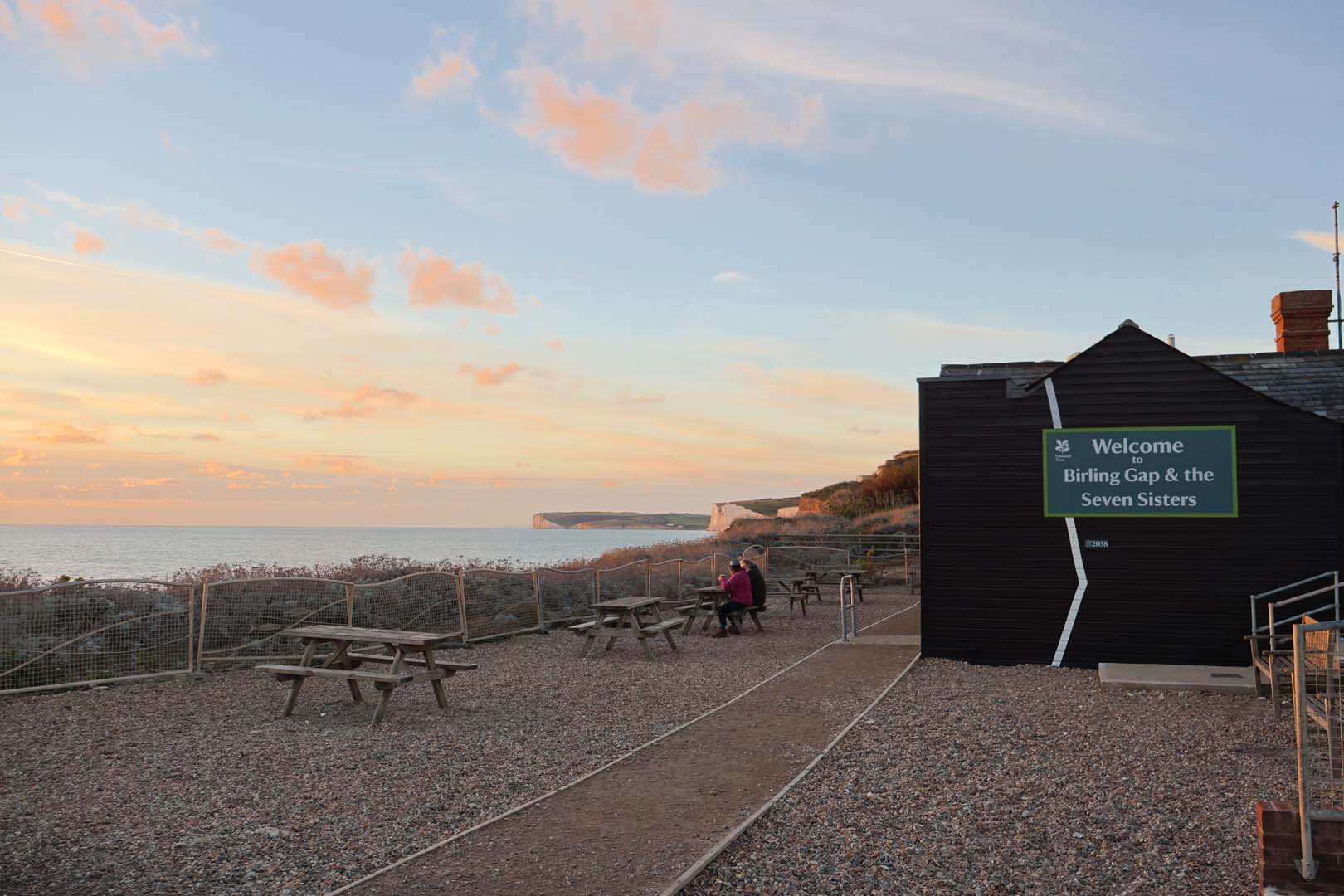
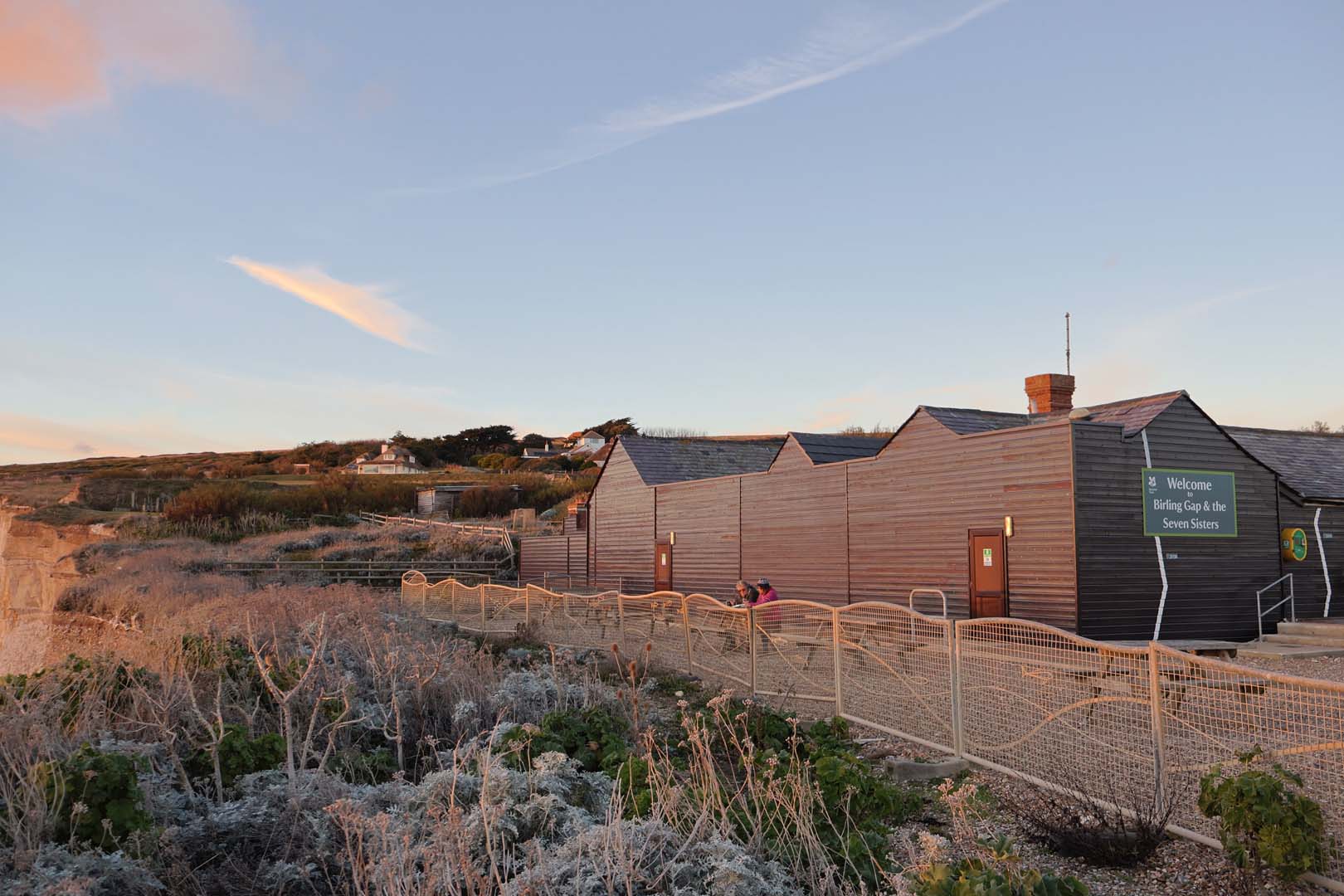
Birling Gap has a National Trust café with snacks, drinks, and views over the sea. But nearby villages offer even better options.
Favourite local spots include:
- The Tiger Inn – East Dean
- The Hikers Rest
- The Beachy Head Pub
Many visitors enjoy pairing a cliff walk with a cosy village pub meal — the perfect British coastal experience.
Final Tips to Make the Most of Your Trip
- Wear comfortable shoes — the chalk paths can be uneven
- Bring water, sunscreen, and a windproof layer
- Keep a safe distance from cliff edges
- Check tide times before visiting the beach
- Start early during summer months
- Avoid visiting in extreme winds
- Download the Sussex Cars app for quick travel
- Plan an extra hour — the views deserve time
Plan Your Visit & Travel With Ease
Birling Gap is one of those rare destinations where nature does all the talking: dramatic cliffs, raw beauty, and the kind of peaceful silence we all need from time to time.
Whether you’re here for a family holiday, a weekend escape, or a once-in-a-lifetime UK tour, make your trip easier by sorting out your transport in advance. No parking headaches, no waiting, no confusion — just simple travel so you can focus on the views.
👉 Download the Sussex Cars app here: https://onelink.to/sussexcars
👉 Or explore more on our homepage: www.726726.co.uk
We hope this guide helps you enjoy Birling Gap exactly the way it deserves — calmly, safely, and with a camera full of memories.



Other Latest News Articles

Get There Faster with Our App

